
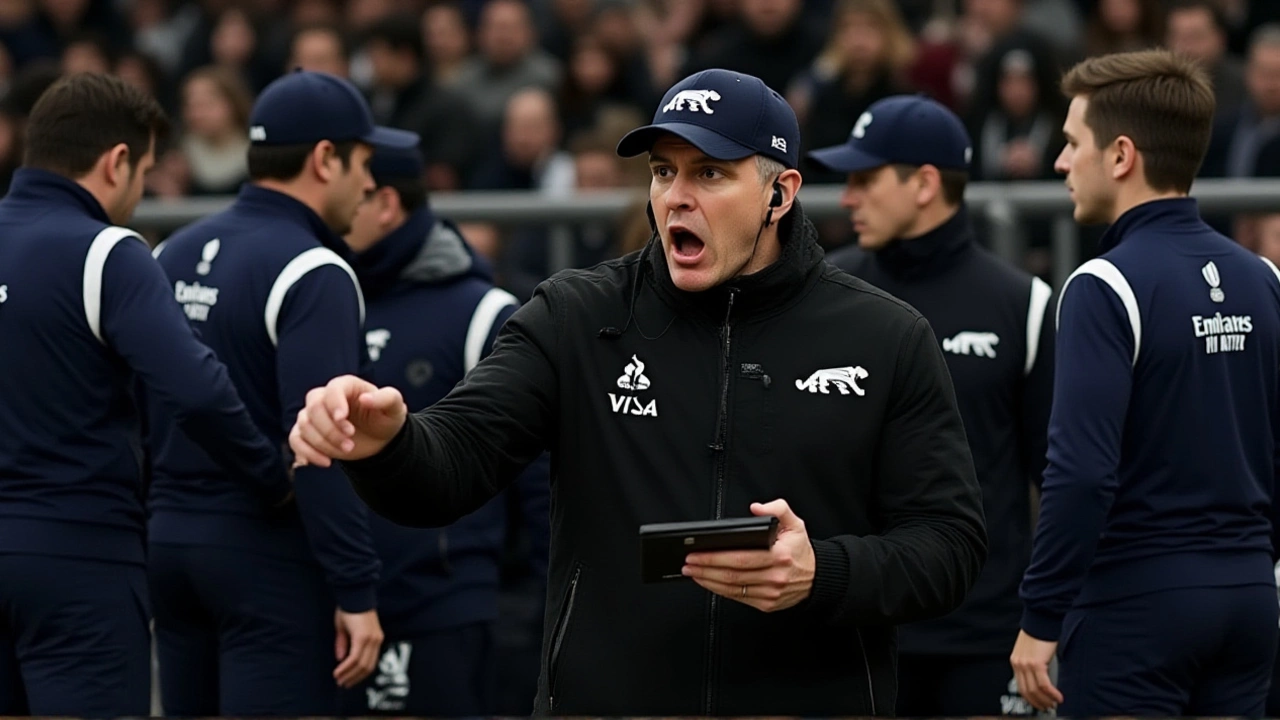
When Tom Curry stepped off the pitch at Twickenham Stadium at 5:15 PM GMT on Saturday, 24 February 2024, he wasn’t just celebrating England’s 28-17 Six Nations win over Argentina—he was walking into a storm. Moments later, Felipe Contepomi, Argentina’s attack coach, confronted him near the tunnel, jabbing a finger into his chest and shouting "matón"—Spanish for "bully." The exchange, caught on multiple camera angles, ended with Curry clenching his fists before being pulled back by assistant coach Kevin Sinfield. What followed wasn’t just a heated post-match moment. It became a full-blown disciplinary crisis, and the Rugby Football Union (RFU) didn’t waste time taking sides.
"We Stand Behind Tom Curry"
By 10:30 AM the next morning, the RFU had issued a statement. By 2:45 PM, CEO Bill Sweeney was on the record: "We’ve reviewed three steward testimonies and four video angles. Contepomi initiated physical contact. Accusing an athlete of bullying without evidence undermines our sport’s values." The language was unusually sharp for rugby’s usually reserved governing body. And the financial backing? £25,000 from the RFU’s disciplinary budget for Curry’s legal defense. That’s not just support—it’s a signal.
Curry, 25, has 52 caps since his 2017 debut against Argentina in San Juan. He’s known for relentless work rate, not aggression. Contepomi, 47, a former Argentina fly-half with 87 test caps, has coached in top-tier clubs across Europe and was part of Argentina’s historic 2023 Rugby World Cup campaign. But in this moment, he was the accuser. And the RFU’s response suggests they believe he crossed a line.
The Evidence and the Escalation
The timeline is tight, precise, and telling. Argentina’s head coach Michael Cheika filed the formal complaint at 5:45 PM Saturday. By 6:30 PM, the RFU acknowledged it. Evidence collection wrapped by 8:00 AM Sunday. By 4:20 PM Sunday, World Rugby had escalated the case to its independent judicial committee. The hearing? Scheduled for 10:00 AM GMT on Wednesday, 28 February, at World Rugby House in Dublin.
Under World Rugby Regulation 17, penalties can include fines up to 50% of a player’s match fee—£7,500 for Curry, based on his £15,000 Six Nations contract. Suspension is also possible. If imposed, it would apply to England’s next match: Scotland at Murrayfield Stadium on 10 March. But here’s the twist: Regulation 17.19 applies to *players*. Contepomi, as a coach, falls under a different clause—17.22—which allows for sanctions against team officials, including bans from touchlines. That’s the real question: Is this about Curry’s conduct… or Contepomi’s?

History, Context, and a Pattern
Argentina has lost all four of its Six Nations matches since joining in 2022. They’re 1-14 against England in the tournament’s history. That’s not just losing—it’s frustration. Contepomi’s outburst may have been fueled by that. But in rugby, emotion doesn’t excuse aggression. The Rugby Players Association (RPA) weighed in Monday, offering Curry "full psychological and legal support." CEO Tammy Parlour called it a "concerning precedent for player safety."
Compare this to 2022, when Owen Farrell was suspended for three weeks after an altercation with Ireland’s Jamison Gibson-Park. Back then, the RFU didn’t publicly defend him. No £25,000 legal fund. No press statements. The difference? This time, the coach initiated contact. That changes everything.
And the numbers tell a broader story. There have been 14 disciplinary cases in the 2024 Six Nations through week three—a 12.7% increase over the 12.4 average since 2018. Players are under more pressure. Coaches are more volatile. The game’s intensity is rising. But so are the stakes.
What Happens Next?
The RFU’s disciplinary committee, chaired by independent judge Sir Bernard Rix, will review the case before World Rugby’s hearing. Their findings could influence the outcome. But with video evidence showing Contepomi’s finger in Curry’s chest and the RFU’s public stance, the burden of proof now lies with Argentina’s camp.
England head coach Steve Borthwick held an emergency team meeting at Pennyhill Park on Monday. "Tom has our 100% support," said an unnamed squad member. That unity matters. In a sport built on respect, this isn’t just about one clash. It’s about where the lines are drawn.
Why This Matters
Players are human. Coaches are human. But when emotions boil over in front of 82,000 fans and global cameras, the consequences ripple. If coaches can accuse players of bullying without evidence, what stops them from targeting others? If players feel unsafe in post-match moments, the spirit of the game erodes.
The RFU’s swift, public backing of Curry signals a shift. They’re no longer just referees of the rules—they’re defenders of player dignity. That’s a new chapter in rugby’s evolution.
Frequently Asked Questions
What could happen to Tom Curry if found guilty?
If found guilty under World Rugby Regulation 17, Curry could face a fine up to £7,500 (50% of his £15,000 match fee) or a suspension. Any suspension would apply to England’s next Six Nations match against Scotland on 10 March. However, the RFU’s evidence strongly suggests Curry was reacting to provocation, making a suspension unlikely.
Could Felipe Contepomi be punished too?
Absolutely. While Regulation 17 primarily governs players, Section 17.22 allows sanctions against team officials—including fines, bans from touchlines, or even suspension from future matches. Contepomi’s physical contact and use of abusive language could trigger a separate disciplinary process, possibly leading to a ban from Argentina’s next international fixture.
Why did the RFU act so quickly?
The RFU moved fast because they had clear evidence: three independent steward accounts and four video angles showing Contepomi initiating contact. They also wanted to counter Argentina’s narrative before it spread. Plus, the £25,000 legal allocation shows they anticipated a prolonged battle—and were prepared to defend their player aggressively.
How does this compare to past rugby incidents?
In 2022, Owen Farrell received a three-week suspension after an altercation with Ireland’s Jamison Gibson-Park—with no public backing from the RFU. This time, the RFU’s response is the opposite: swift, public, and financially backed. The key difference? This time, the coach was the aggressor. The governing body is drawing a line: players won’t be scapegoated for coaching misconduct.
Is this part of a larger trend in rugby?
Yes. The 2024 Six Nations has seen 14 disciplinary cases in just three weeks—a 12.7% rise over the historical average since 2018. As the game becomes faster and more physical, tensions between players and coaches are rising. This incident may become a benchmark for how governing bodies handle coach-player confrontations moving forward.
What’s at stake for Argentina’s team?
Beyond potential sanctions against Contepomi, Argentina risks appearing unsportsmanlike on the global stage. They’ve lost all four Six Nations matches since joining, and this incident could reinforce perceptions of frustration over performance. If they’re seen as blaming players instead of improving tactics, it damages their credibility in a competition they’re still trying to earn respect in.
 Chancellor Rachel Reeves Mulls £500k Property Tax in Autumn Budget
 Illimité Escort Girl Avignon: What You Need to Know Before You Go
 Is drag racing actually racing?
 Aberfan Disaster: 1966 Tragedy, Aftermath and Lasting Legacy
 Why is drag racing so popular?